
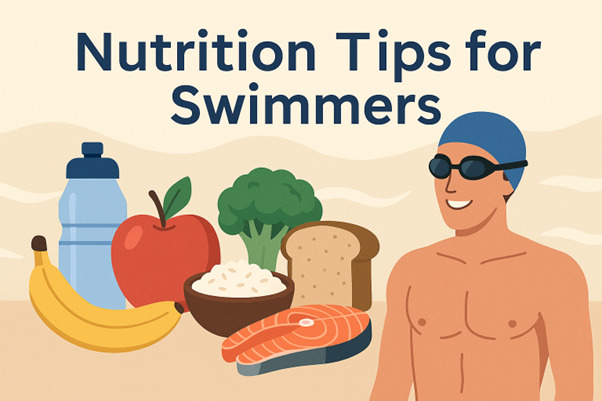
Nutrition Tips for Young Swimmers Training in Singapore’s Climate
Swimming is a demanding sport — physically and mentally. And when it comes to training in Singapore’s tropical climate, young swimmers face additional nutritional challenges that require more than just regular meals.
As a swimming coach working with youth athletes in this region, I’ve seen firsthand how the right nutrition can make a big difference. Whether it’s improving stamina, speeding up recovery, or keeping energy levels consistent throughout the week, it all starts with what’s on the plate — and in the bottle.
Let’s take a detailed look at how young swimmers can eat and drink smarter to thrive in the pool and recover better after.
Why Nutrition Matters for Youth Swimmers
Growing bodies need fuel — and so do high-performing ones. For young swimmers, especially those in structured training programmes, proper nutrition isn’t optional. It’s foundational.
Swimming burns a considerable amount of energy. A moderate-intensity session can burn between 400–700 calories per hour, depending on the swimmer’s age, size, and effort.
Now add Singapore’s year-round heat and humidity to the mix. Sweating isn’t always noticeable in water, but young swimmers lose a significant amount of fluids and electrolytes — particularly sodium — even during short sessions.
Without appropriate nutrition and hydration, they risk slower recovery, lower performance, and even heat-related symptoms like fatigue and dizziness.
Smart Hydration Strategy
Hydration is one of the most overlooked parts of a swimmer’s routine — and one of the most important, especially in Singapore.
Young swimmers should start the day hydrated. That means sipping water regularly from the moment they wake up, not just chugging it before training.
During training sessions under 60 minutes, plain water is usually enough. But for longer or more intense sessions — especially if they exceed 90 minutes — swimmers should use isotonic drinks to replace both fluids and electrolytes lost through sweat.
One good approach is to have a water bottle ready poolside and take small sips every 15–20 minutes. Don’t wait until thirst kicks in, as that’s already a sign of dehydration.
Post-training, rehydration should continue with water, diluted fruit juices, or even natural options like coconut water, which are rich in potassium — ideal for recovery in a hot climate.
Pre-Training Fuel
The body needs to be well-fuelled before it hits the water. What your child eats before training plays a critical role in their energy availability and endurance.
Ideally, swimmers should eat a meal 1.5 to 2 hours before training. This gives the body enough time to digest and convert food into usable energy.
Meals should focus on complex carbohydrates, such as wholemeal bread, brown rice, oats, or sweet potatoes. These provide sustained energy without the crash.
Adding a modest amount of protein helps support muscle function and development — but keep fats low to avoid digestive discomfort.
If training is in the early morning or there’s limited time, a smaller snack 30–45 minutes before is fine. Try a banana, low-fat yoghurt, or a slice of wholemeal toast with peanut butter. Keep it light but energising.
Post-Training Recovery
Recovery starts the moment the swimmer exits the pool. The goal post-training is to replenish glycogen (carbohydrate stores), repair muscle tissue, and rehydrate effectively.
This is most effective within the first 30 to 60 minutes after training. That’s the body’s “recovery window,” where nutrient absorption is more efficient.
An ideal recovery snack or meal combines both carbs and protein. The recommended ratio is approximately 3:1.
Some great post-swim options include:
- Grilled chicken or fish with brown rice and vegetables
- A fruit smoothie with milk and oats
- Chocolate milk (a proven recovery drink used by many athletes)
- Greek yoghurt with fruit and a handful of oats
Avoid heavy, greasy foods post-training. They slow digestion and delay recovery.
Daily Meal Planning
For consistent performance throughout the week, a balanced daily diet is essential. That means proper meals — not just random snacks or processed convenience foods.
Swimmers should consume:
- Carbohydrates: brown rice, wholemeal bread, noodles, sweet potatoes, fruits
- Proteins: tofu, lean meats, eggs, fish, lentils
- Healthy fats: avocados, nuts, seeds, olive oil
- Vitamins and minerals: dark leafy greens, berries, pumpkin, tomatoes
Incorporating local favourites like steamed fish with rice, stir-fried vegetables, or a tofu and egg noodle bowl can make nutritious eating more familiar and enjoyable.
Also, don’t skip breakfast. Swimmers who train in the morning must eat something beforehand — even if it’s small. This prevents energy dips during the session.
Role of Family Support
Parents play an enormous role in helping young swimmers develop strong nutrition habits.
Create consistent mealtime routines around training schedules. For example, serve dinner early enough after evening training so recovery can begin promptly.
Pack healthy snacks for swim meets: hard-boiled eggs, trail mix, cut fruit, or wholemeal sandwiches. These are easy to digest and keep energy stable between races.
Most importantly, involve children in food choices. When swimmers understand why they eat certain foods and participate in the process, they’re far more likely to stick to it.
When to Seek Expert Help
Despite best efforts, some swimmers may show signs of under-fuelling: frequent fatigue, slower performance, poor recovery, or even skipping meals due to stress or pressure.
In such cases, it’s worth consulting a qualified sports dietitian. They can help assess energy needs and provide a customised plan that fits both training and personal preferences.
Remember, no supplement can replace a balanced diet. Stick to whole foods unless advised otherwise by a professional.
By aligning your young swimmer’s diet with the demands of their training and Singapore’s climate, you lay the foundation for stronger performances, better recovery, and lifelong health habits.
Great swimming doesn’t start in the water — it starts in the kitchen.
FAQs
- Should my child use sports drinks during swim training?
For sessions under 60 minutes, water is sufficient. Sports drinks are only necessary for longer or very intense sessions to replace lost electrolytes and provide quick energy. - What is a good post-swim snack if we’re in a rush?
A chocolate milk or a peanut butter sandwich with fruit are quick, balanced options that provide both carbohydrates and protein. - 3. How can I encourage better eating habits without forcing it?
Make nutrition a family habit. Involve your child in choosing groceries and preparing meals. Keep healthy options accessible and model good habits yourself.